Tallahassee Screening offers routine screen enclosure maintenance in Tallahassee, FL to extend the life of your pool cage, patio, or lanai.
Tallahassee Screening offers routine screen enclosure maintenance in Tallahassee, FL to extend the life of your pool cage, patio, or lanai. We clean debris, inspect hardware and fasteners, and handle minor fixes before they become major problems.
Tallahassee Screening provides professional screen enclosure maintenance throughout Tallahassee, FL, Florida and the surrounding area. Our licensed, insured crew delivers safe, clean, on-time work with a free estimate before anything begins. Call (850) 755-9909 or request your free quote.
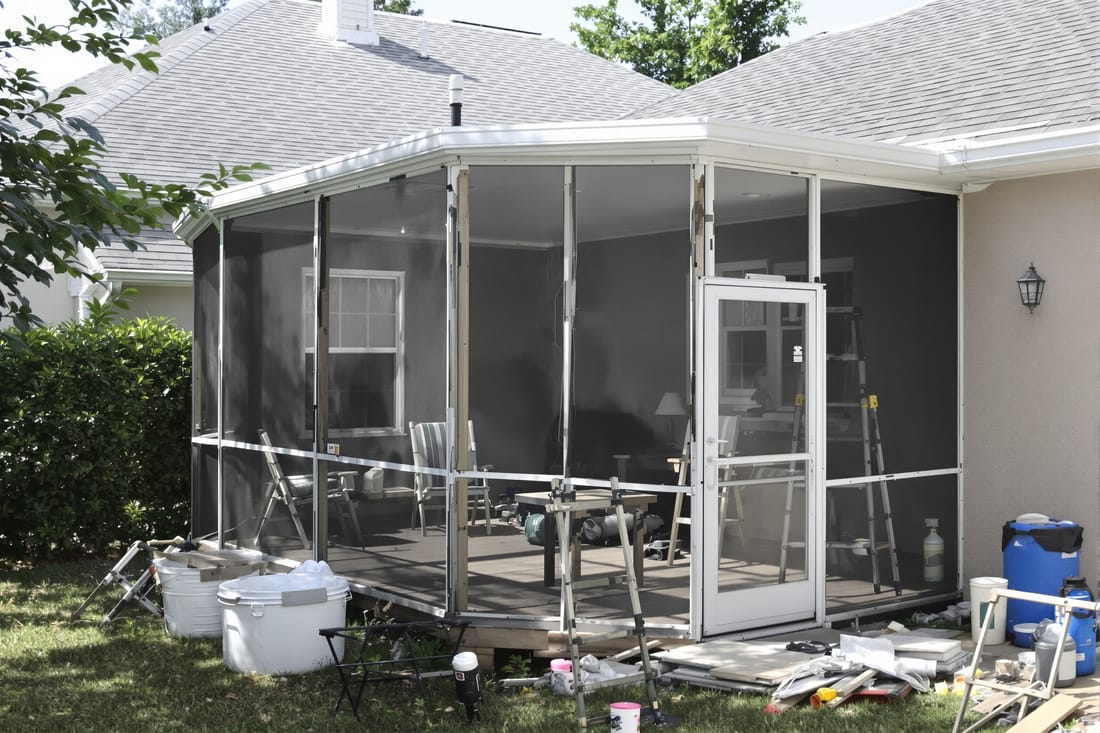
Screen enclosures work hard in Tallahassee. Between summer storms, pollen, oak leaves, and humidity, even a well‑built pool or patio cage needs regular care to stay safe and good‑looking. Tallahassee Screening focuses on screen enclosure maintenance, not just new installs, so we know how to keep existing structures performing for many more years.
When we talk about screen enclosure maintenance, we mean a mix of structural checks, screen repairs, hardware replacement, cleaning, and sometimes small design upgrades. Our goal is to catch issues early, like small tears that can spread across a panel, rust that can weaken fasteners, or sagging doors that are hard to close. If you use your pool or patio every day, that enclosure becomes part of your living space, and it should feel solid and dependable, not like a project you have to fight with.
Because we live and work in Tallahassee, we understand the trade‑offs local homeowners face, such as how much shade you want, how much airflow you need, and how much time you really want to spend skimming leaves out of the pool. During a maintenance visit, we look at your enclosure with those real‑world concerns in mind, and we explain what truly needs attention now versus what can wait.
A typical maintenance visit with Tallahassee Screening starts with a walkthrough around your enclosure, inside and out. We visually inspect every side, then look from underneath the roof panels to check for bowing, loose spline, or small rips that are easier to see against the sky. We also look for algae staining in corners, insect nests, and any areas where the enclosure meets the deck or house.
Next, we test the structure. That means gently flexing major framing members by hand to feel for looseness, checking fasteners along the base rails and at connection points, and looking for corrosion around screws and brackets. In older enclosures, especially those installed before modern code updates, we often find rusted screws or anchors that are still holding today but will fail in a big summer storm. When we see that, we recommend swapping to stainless or coated hardware in the most vulnerable areas.
We then go panel by panel. We note small snags, seam splits around doors, and panels that have pulled out of the spline track at the corners. Minor rips can sometimes be patched if they are in low‑tension areas, but most issues get a full panel replacement with fresh screen and spline so you are not calling us again for the same panel a month later. While we are at it, we clean and lubricate door hinges and latches, adjust door closers so they shut smoothly without slamming, and make sure any pet doors or access panels operate correctly.
If you choose, we can also perform a light cleaning as part of maintenance. That might include brushing down the frame to remove spider webs and pollen, rinsing screens from the outside to clear fine dust, and washing algae off lower rails where water tends to collect. For heavy staining or mold on older enclosures, we often recommend a deeper cleaning visit with low‑pressure washing and appropriate cleaners so we do not damage the screen fabric or powder coating.
Not every screen enclosure maintenance visit is just about fixing what is broken. Often, it is a chance to upgrade the materials so your enclosure handles Tallahassee’s climate better. When we replace panels, you can usually choose between standard fiberglass screen, polyester screen, Florida‑grade pet screen, and tighter‑weave products that block more insects and debris.
Standard fiberglass is the most affordable and fine for many patio enclosures, but in areas where kids lean on the panels or dogs scratch to go out, we often suggest a heavier pet‑resistant screen. It costs more per panel, but it usually saves money over time by preventing repeated tears in the same spots. For pool cages that get a lot of leaf fall from pine or oak trees, a slightly tighter weave can reduce the amount of debris getting through, which means less time skimming the pool.
We also look at how sunlight hits your enclosure. On southern and western exposures in Tallahassee, the summer sun can be intense. During maintenance, homeowners sometimes choose to swap certain panels for sun‑control screens along one side of the cage or near seating areas. These screens can reduce heat and glare without fully blocking the view.
Hardware is another place where maintenance becomes an upgrade. When we replace rusted screws and anchors, we prefer using high‑quality stainless steel or coated fasteners rated for coastal and high‑humidity environments. For door hardware, we often install more durable self‑closing hinges and improved latches that are easier for kids and older adults to use. Little choices like this do not just make the enclosure safer, they also make using it every day less frustrating.
The cost of screen enclosure maintenance in Tallahassee depends mostly on three things: the size and height of your enclosure, the number and type of panels that need work, and how much hardware or structural repair is required. A small, one‑story patio enclosure with a few torn panels and a sticky door is a simple visit. A large pool cage with a two‑story wall and multiple rusted anchor points takes more labor, and often requires taller ladders or scaffolding for safe access.
Screen material choices also influence cost. Standard fiberglass and common polyester screen are the most economical. Pet‑resistant and solar control screens are more expensive per square foot, and they also require a bit more labor to install because they are stiffer and need more tension to look good. During your estimate, we typically price out at least two options so you can pick what makes sense for your budget and how you actually use the space.
Hardware replacement can be a small line item or a major driver of cost. Replacing a handful of corroded screws at a trouble spot is quick. Re‑fastening long base rails, replacing dozens of old screws with stainless, or installing new door hardware raises the total but significantly extends the life of the enclosure. When we see developing problems, like hairline cracks at connection points or anchor heads eaten away by rust, we explain what is happening and give you short‑term and long‑term options.
In Tallahassee, the best times of year to schedule more involved maintenance are late winter and early spring. The humidity is lower, there are fewer afternoon thunderstorms, and we can work more predictably on taller enclosures. If you wait until peak summer storm season, we can still help, but weather rescheduling is more common. For minor issues, such as a single torn panel or a door that will not latch, we can usually fit you in quickly year‑round.
Screen enclosures in Tallahassee tend to show the same patterns of wear, but the causes are very local. Heavy pollen in spring can mix with moisture and create a thin film on screens and frames, which traps more dirt and eventually encourages mildew. As part of maintenance, we often recommend and perform a gentle rinse with the right cleaners and a soft brush, working from the top down so dirty water does not streak and dry on lower panels.
High winds during summer storms can stretch or loosen older screen, especially if trees overhang the cage. We look for panels that have lost tension, corners where spline has started to walk out of the track, and any damage from falling twigs or small branches. Instead of just replacing one obvious tear, we look at how that side of the enclosure handled the wind and may suggest tightening or replacing a group of stressed panels so you do not see a series of failures the next time a strong storm rolls through.
Rust and corrosion are very common on older pool cages in our area, particularly where metal touches concrete or where water sits after a rain. On a maintenance visit, we check those base connections, lightly probe suspect areas, and recommend action before rust works deep into the metal. Sometimes that means swapping hardware and cleaning surface corrosion. In more serious cases, it can involve reinforcing a connection or planning a partial rebuild in a future phase so the enclosure remains safe.
Doors, gates, and access panels also take a beating because of daily use and humidity. Wood or composite decks can swell and shrink seasonally, which can throw a door frame a bit out of square. We adjust hinges, re‑shim where we can, replace worn latches, and lubricate moving parts with products that stand up to moisture, not just a quick spray that feels good for a week. The goal is that when we are finished with your screen enclosure maintenance, the entire structure feels solid, doors close with a light push, and you are not worrying about the next storm or the next time the dog barrels into the screen.
If you are unsure whether your enclosure needs full maintenance or just a couple of repairs, Tallahassee Screening is happy to perform an inspection and walk you through what we see. We focus on giving you clear, local, weather‑aware advice so you can plan your screen enclosure maintenance around your budget and your schedule.
Professional screen enclosure maintenance, done right the first time, quality materials, honest pricing, and results that last.Tallahassee Screening