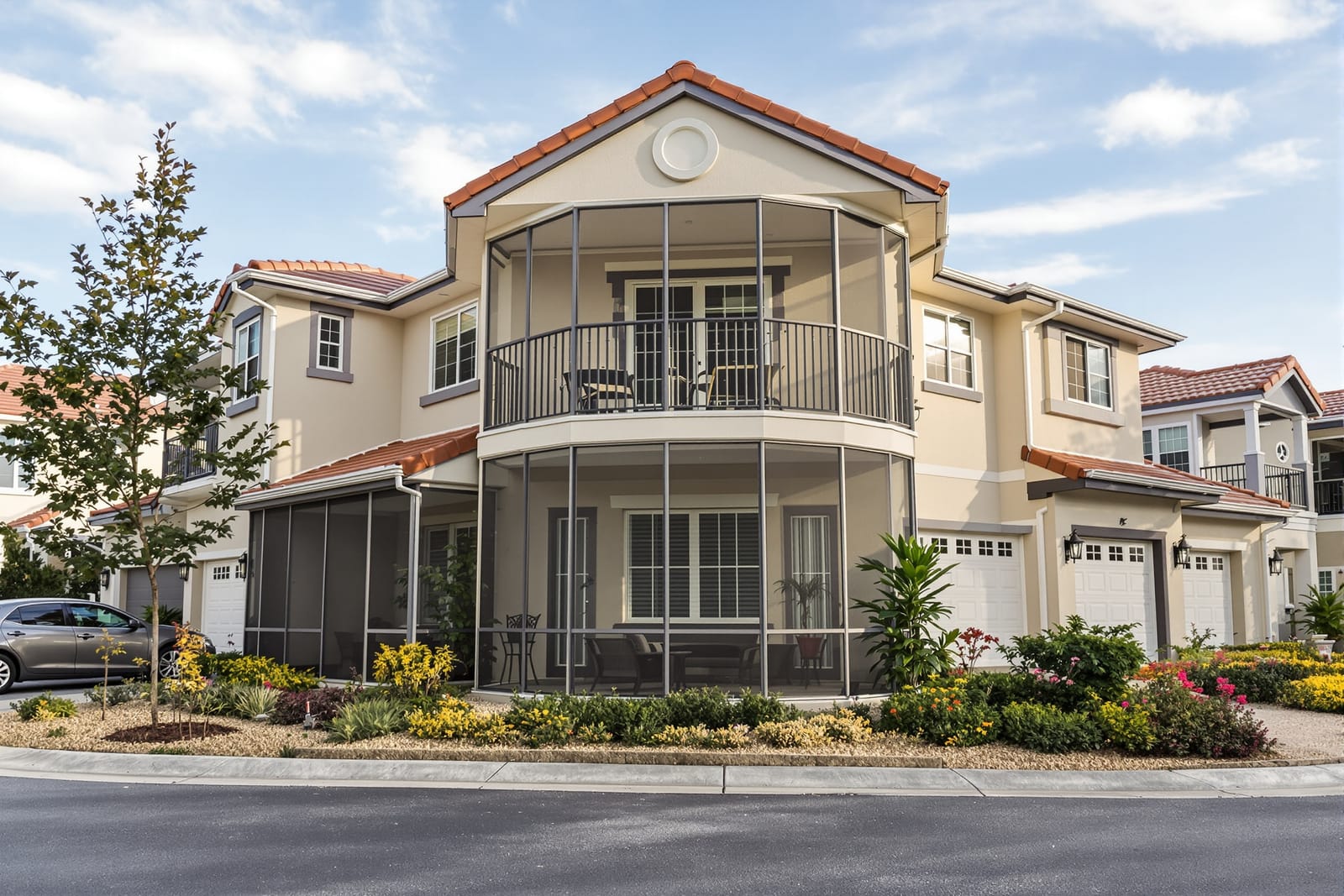
Tallahassee Screening offers HOA and multifamily screen services in Tallahassee, FL, handling community wide repairs and upgrades.
Tallahassee Screening offers HOA and multifamily screen services in Tallahassee, FL, handling community wide repairs and upgrades. We coordinate with managers and boards to maintain porches, patios, and pool enclosures across entire properties with consistent quality.
Tallahassee Screening provides professional hoa screen services throughout Tallahassee, FL, Florida and the surrounding area. Our licensed, insured crew delivers safe, clean, on-time work with a free estimate before anything begins. Call (850) 755-9909 or request your free quote.
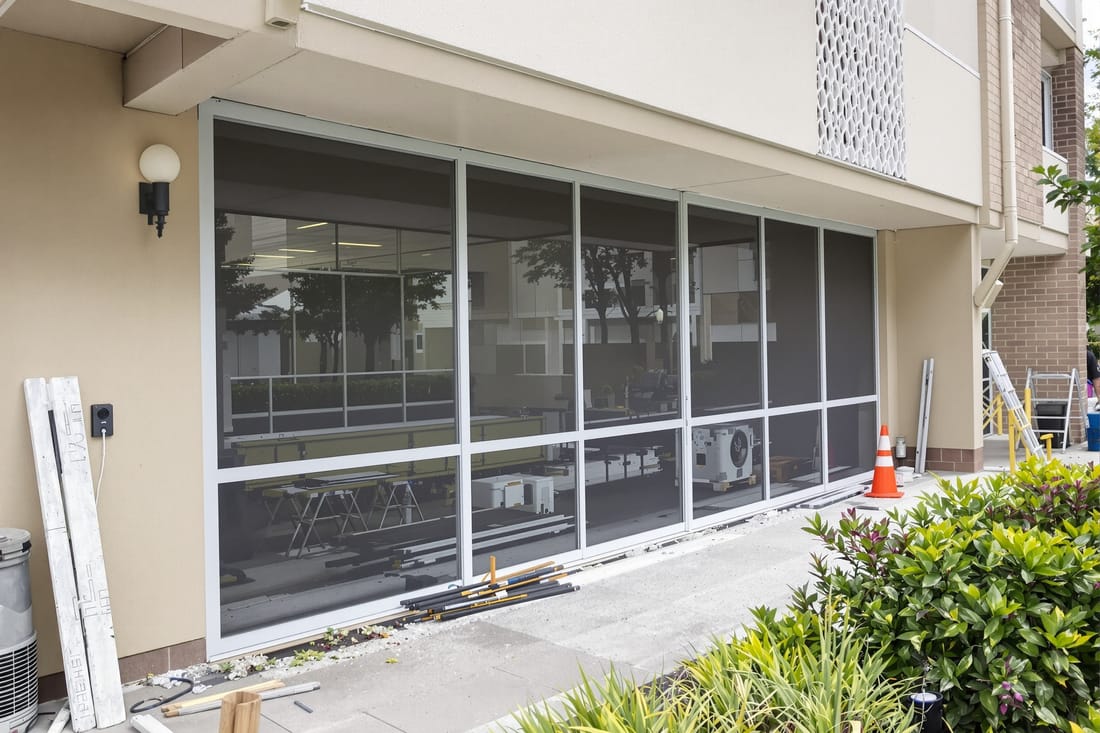
Tallahassee Screening provides specialized HOA screen services designed for condominium associations, apartment communities, and townhome developments across Tallahassee, FL. Instead of treating each unit like a one-off residential project, we build a community-wide plan that keeps appearances consistent, controls cost per unit, and minimizes disruption for residents.
Our team works directly with HOA boards, property managers, and maintenance directors to evaluate existing screen structures, define community standards, and schedule work across buildings. Whether you manage 10 units or 400, we document your specifications for frame color, mesh type, hardware, and enclosure details so that every repair or new install matches the approved standard.
Tallahassee’s climate is hard on screen enclosures. High humidity, intense UV exposure, frequent rain, and pollen build-up from local trees all shorten the lifespan of cheaper materials. Our recommendations are based on what actually holds up in North Florida, not generic catalog options. When we design or rehabilitate screening for a community, we factor in wind loads from summer storms, salt exposure if the property is near the coast, and heavy use in shared pool or courtyard areas.
For HOA and multifamily properties, Tallahassee Screening follows a structured process that keeps projects organized and compliant with association rules.
First, we perform a site-wide screen assessment. A project lead walks every building and shared area, documenting existing screen types, frame conditions, door hardware, and any safety issues like loose fasteners or corroded rail connections. We photograph representative units and shared spaces so board members can see conditions without visiting every balcony.
Second, we prepare a detailed scope and standards document. This includes specified mesh types (such as standard 18x14 insect screen, privacy mesh, or pet-resistant mesh), approved frame colors, door styles, and any upgrades allowed as owner options. This document becomes the community’s reference for all current and future screen work, which helps avoid disputes over mismatched materials or colors.
Third, we plan phasing and access. For occupied multifamily buildings, we coordinate with management to group units by building or floor, provide notice templates for residents, and schedule crews to minimize repeat trips. For pool cages or large courtyard enclosures, we plan work around peak use times, local school schedules, and Tallahassee’s rainy season so downtime is as short as possible.
Finally, we execute and document. Each completed building or section is inspected against the agreed standards. We provide a completion log showing which units or structures were serviced, what materials were used, and any recommended follow-up work so your maintenance team and future boards have a clear record.
HOA screen services require consistent design choices that still allow flexibility for different building uses. Tallahassee Screening helps you balance durability, appearance, and cost with a curated set of options.
For mesh, most communities choose from a small palette of pre-approved types: standard fiberglass insect screen for basic balconies and porches, tighter-weave screen for no-see-ums in wooded or marsh-adjacent areas, heavy-duty pet-resistant mesh for first-floor units and dog-friendly buildings, and privacy or solar screen for balconies facing busy roads or parking lots. Using 2 to 4 standard meshes across the property controls inventory and achieves uniform curb appeal.
For frames, we typically install aluminum framing in white or bronze, which are most common in Tallahassee neighborhoods. In coastal-influenced areas or communities that want longer corrosion resistance, we recommend upgraded powder-coated or high-strength aluminum. For older buildings with existing frames that are structurally sound, we can often clean, tighten, and re-screen instead of replacing everything, which significantly reduces project cost.
Communities with shared amenities like pool cages, breezeways, and courtyards have additional design needs. For these spaces, we consider larger panel sizes, heavier gauge frames, and wind bracing that handles summer thunderstorms. We also specify bug sweeps, self-closing hinges, closers, and panic hardware for high-traffic screen doors so that doors close consistently and meet safety expectations for multifamily use.
HOA boards and property managers in Tallahassee need clear cost drivers to plan budgets and reserve studies. Tallahassee Screening explains pricing in terms that work for both annual operating budgets and long-term capital planning.
The primary cost factors are total square footage of screening, height and accessibility of the units, material selection, and whether frames need replacement or only re-screening. Ground-level porches are simpler and faster than high third-floor balconies that require special ladders or lift equipment, so we separate those in our estimates.
Material choices also influence long-term cost. Standard fiberglass mesh is the least expensive upfront but may need replacement more often under heavy sun and debris. Upgrading to stronger or UV-resistant screen can reduce the frequency of large community-wide projects. We can model scenarios so an HOA sees the cost difference between lower-cost mesh replaced every 7 years and higher-grade mesh that may last 10 to 12 years under Tallahassee conditions.
Project logistics are another cost driver. If access to units is tightly restricted or notices must be repeated several times, labor hours increase. We work with management teams to streamline scheduling, often grouping service days by building and providing digital sign-up options where allowed. For large projects, we may recommend phased work across several fiscal years to match reserve funding and limit resident disruption.
Finally, code or structural issues can impact pricing. Rusted fasteners, rotted attachment points, or non-compliant rail heights may need correction at the same time as screen replacement. We identify these items during the assessment stage so they do not become surprise change orders mid-project.
Multifamily buildings in Tallahassee face recurring screen issues tied to local weather, vegetation, and resident use. Tallahassee Screening has seen the full range of problems and builds solutions that address root causes, not just symptoms.
Sun and UV exposure on south and west facing elevations make screens brittle and faded faster than on shaded sides of the building. We often recommend slightly upgraded mesh for these faces or a shorter planned replacement interval in your reserve study. Where trees overhang balconies, falling debris and branches can tear screens, so we sometimes reinforce upper panels with stronger mesh.
High humidity and frequent storms contribute to mildew and staining. While mesh is not typically pressure washed as aggressively as siding, we can select screens that are easier to clean and advise your maintenance staff on gentle cleaning methods and frequencies to avoid damaging the mesh.
In pet-friendly communities, claw damage near lower panels is very common. Installing pet-resistant mesh on first floors or units with approved pets reduces the ongoing repair workload for management. We can also reinforce door corners and lower rails on high-traffic entries where residents and delivery personnel frequently bump or push carts.
Another issue in multifamily settings is inconsistency created by owner-installed repairs. One unit might replace a section with a different color mesh, creating a patchwork appearance. Our HOA screen services establish community standards and then provide a clear owner request process so any individual repair or upgrade still matches the approved materials and maintains a cohesive exterior look.
Screen work at scale requires coordination that respects association rules and local building requirements. Tallahassee Screening is familiar with how HOAs operate in Tallahassee and structures projects accordingly.
We start by reviewing your governing documents or architectural guidelines to understand any restrictions on exterior appearance, color, and modifications. If needed, we help boards write or update a screen standard that can be adopted by the association, with language that addresses mesh types, allowable upgrades, and replacement responsibilities between the HOA and individual owners.
On the code side, we pay attention to railing integrity, egress requirements from balconies, and door hardware in common areas. While simple porch screens are typically straightforward, multi-story structures and shared amenities may have additional permitting or safety considerations. We coordinate with local officials when necessary and ensure attachments and fasteners meet accepted practices for Florida’s wind and moisture conditions.
Communication with residents is handled in partnership with management. For large projects, we provide clear preparation instructions for residents, such as removing items from balconies, securing pets, and providing temporary access. We also help set realistic expectations for noise, duration, and temporary loss of use of balconies or pool decks so on-site staff do not absorb all of the questions and complaints.
Tallahassee Screening focuses on reliability, consistency, and long-term performance for HOA and multifamily screen services. Instead of sending a different technician every visit with no history of your property, we keep a property profile that shows your approved standards, past work areas, and any unique building conditions, so follow-up work remains consistent.
Our crews are trained to work in occupied communities. That means protecting landscaping, respecting quiet hours established by management, cleaning up daily so walkways stay clear, and coordinating around parking and access limitations common in dense properties. We carry appropriate insurance for multifamily work and can provide documentation for board review.
For boards and managers who need to plan years ahead, we can help build a screen replacement schedule and cost projections based on the actual condition of each building elevation. This allows you to avoid emergency community-wide projects after a major storm season. We also remain available for ongoing maintenance, from single unit repairs that must match the community standard to periodic inspections of pool enclosures and shared structures.
If your Tallahassee community is dealing with mismatched screens, frequent tears, or aging enclosures, a structured HOA-specific approach will save time and money over piecemeal repairs. Tallahassee Screening is ready to assess your property, define clear standards, and execute a plan that keeps your buildings looking uniform and protects residents from insects and debris in our challenging North Florida climate.
Professional hoa and multifamily screen services, done right the first time, quality materials, honest pricing, and results that last.Tallahassee Screening