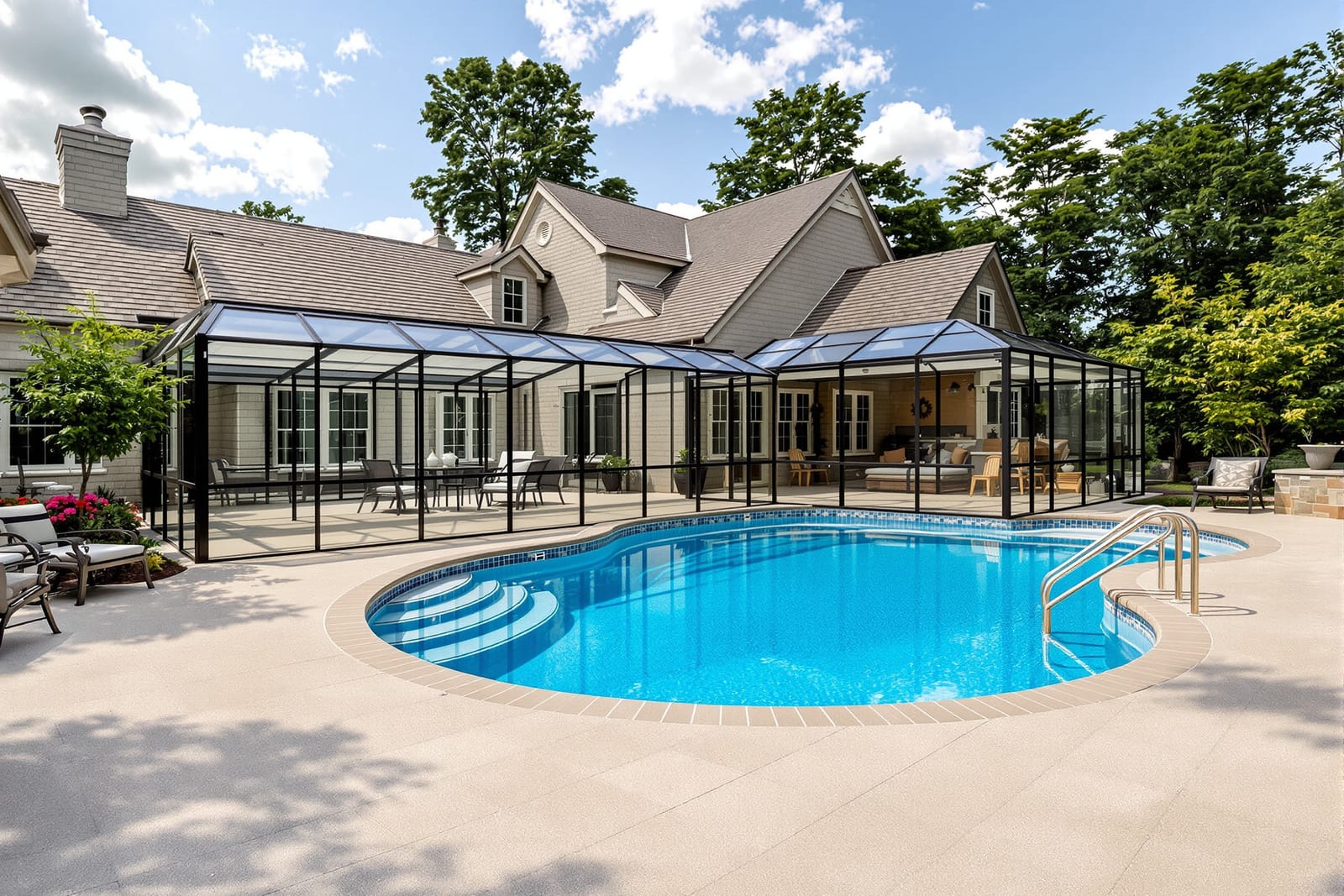
Tallahassee Screening designs and builds custom pool enclosure projects in Tallahassee, FL that keep your pool cleaner and more comfortable.
Tallahassee Screening designs and builds custom pool enclosure projects in Tallahassee, FL that keep your pool cleaner and more comfortable. Our sturdy aluminum frames and premium screening help block debris and insects while maintaining airflow and an open, resort style feel.
Tallahassee Screening provides professional pool enclosure throughout Tallahassee, FL, Florida and the surrounding area. Our licensed, insured crew delivers safe, clean, on-time work with a free estimate before anything begins. Call (850) 755-9909 or request your free quote.
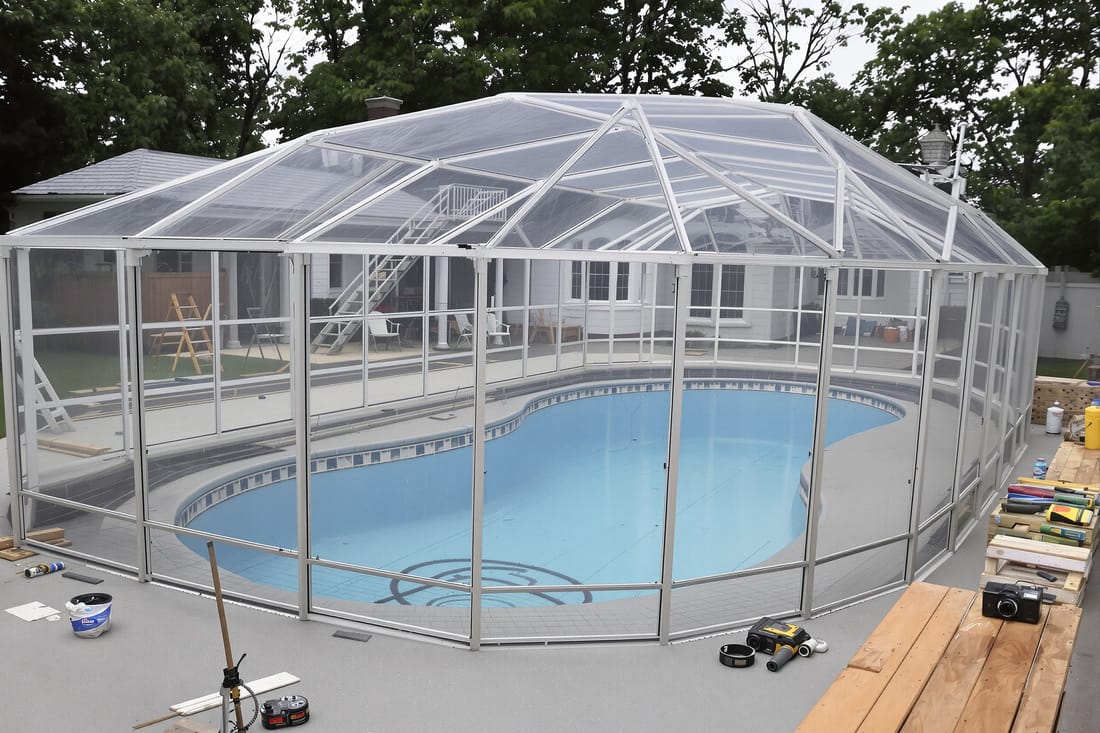
At Tallahassee Screening, we build pool enclosures that are matched to North Florida conditions and to how you actually use your backyard. Before we talk about price, we walk the pool area with you and look at deck size, roof lines, tree locations, and how water drains during heavy rain. That walk-through shapes everything from the enclosure footprint to the door locations.
Most pool enclosures here are aluminum frame structures with screen walls and roof panels. The typical choice is a full cage that covers the entire pool and deck, usually 8 to 12 feet tall along the sides and higher over the center. For smaller yards, we may suggest a compact design that hugs closer to the pool or a lean-to style that ties into the house fascia. If you have a two-story home, we discuss whether you want the enclosure below the second-story windows or built higher to keep sightlines open.
You can choose between different roof styles. A mansard roof (flat center with angled sides) is common in Tallahassee because it handles afternoon storms well and gives a spacious feel. Gable roofs have a peak down the center and work well when we are matching an existing roofline. For customers who want to keep the structure as low profile as possible, we might use a simple hip or shed style. The choice affects airflow, shade patterns, and how debris sheds off the roof.
We also talk through screen types in detail. Standard 18/14 mesh is cost effective and keeps out most insects, which is important with Tallahassee's mosquitoes and gnats in the warmer months. If you value a clearer view into woods or a lake, we might recommend a tighter view screen that has thinner strands. For homes near heavy tree cover or ponds, we sometimes use a tougher screen in the roof bays that stands up better to falling acorns, twigs, and bird activity.
Every enclosure we design takes local wind and rain into account. Tallahassee sees strong summer thunderstorms and the occasional tropical system, so we pay close attention to bracing, anchor spacing, and how the structure will let wind pass through. During planning, we discuss any homeowners association rules, local zoning setbacks, and access issues so there are no surprises once the project starts.
Pool enclosure installation is more than assembling a kit. Tallahassee Screening follows a step-by-step process that is specific to your property and our local soil and weather. First, we measure the pool and deck precisely and check the slab for cracks, slopes, and soft spots. If the deck is older or has large cracks, we may recommend repairs or expansion joints before we anchor a new structure to it.
Next, we create a scaled drawing and load calculations that match local building requirements. If permits are needed, we pull those with the city or county. This stage also includes planning access routes. We check gate widths, fences, and landscaping to see how materials will be brought in. For tight backyards, we sometimes bring frame pieces in loose and assemble them on site instead of using large prebuilt sections.
Once materials arrive, we lay out the base track on your deck or footer line. Each base anchor is drilled into the concrete to a specific depth and spacing, chosen based on the enclosure size and expected wind loads for Tallahassee. We use stainless or coated fasteners that resist corrosion in our humid climate. Anchoring is not a place to rush; if a contractor skims on anchors or spacing, the frame is more likely to twist or rattle during storms.
After the base is set, we stand the vertical posts and assemble the roof beam system. This is when you really see the enclosure take shape. We install diagonal bracing and cross members as needed, not just where it looks symmetrical but where it actually strengthens the frame. On many jobs, we pause here and recheck that everything is square, plumb, and tied properly into the house band board or fascia.
Screening is done near the end. We roll the screen into the aluminum channels and lock it with spline, pulling each panel tight so it will not sag in a few months. Roof panels are screened last so we can still reach everything safely. We finish by installing doors, threshold plates, and any kickplates or pet doors. The final step is a quality walk-through where we hose down the deck, check that all doors swing and latch smoothly, and confirm that the enclosure drains properly when we spray water toward it.
The materials you choose for a pool enclosure affect appearance, lifespan, and how much attention it needs each year. Tallahassee Screening works mostly with powder-coated aluminum framing, which is light, strong, and resists rust in North Florida's humidity. We typically use heavier-gauge members for larger spans or tall enclosures so roof sections do not flex excessively in wind.
For screen cloth, we explain the tradeoffs rather than pushing one option. Standard fiberglass insect screen is budget friendly and fine for many suburban yards. For areas with a lot of oak or pine trees, we often suggest a stronger screen for the roof so falling branches are less likely to tear it. If keeping out tiny insects like no-see-ums is a priority, we may recommend a tighter weave in the wall panels, with the understanding that it can reduce airflow slightly.
We also consider corrosion and staining that come from pool chemicals and nearby vegetation. In Tallahassee, many pools are surrounded by live oaks or magnolias, which drop leaves and tannins that can stain frames and gutters. During design, we can add gutters along the house side, splash guards, and additional downspouts to keep dirty water from streaking the frame or deck. We also select fasteners and connectors rated for both chemical exposure and moisture.
Door hardware and latches are another place where materials matter. Pool code in Florida typically requires self-closing, self-latching doors with latches placed at a child-resistant height. We install hardware that meets those standards and stands up to constant use. For homes near the coast or in especially damp spots, we may upgrade to stainless hinges and higher grade latches to avoid sticking and rust.
If you want added privacy or shade, we can integrate specialty panels along the bottom sections or on the side facing neighbors. These can be higher opacity screen or even framed-in vinyl or aluminum panels where allowed by code. The choice affects both the look and the airflow, so we talk through how much breeze you want to keep over the pool in our hot months before you decide.
Pool enclosure pricing is driven by more than just the square footage. At Tallahassee Screening, we go over the main cost factors clearly so you understand where your money is going. The footprint of the enclosure is the first driver. A larger structure uses more aluminum and screen, and often needs additional bracing and anchors. Complex shapes that wrap around raised spas or irregular decks take more time to frame and screen.
The roof style and height also affect price. A tall mansard roof with long clear spans costs more than a simpler low-hip design because it needs stronger beams and more support members. Two-story or extra-tall cages require more labor, staging, and engineering to account for wind loads higher off the ground. If your design ties into the house in a tricky spot, like around a bay window or under an eave with multiple roof lines, we factor in the additional custom cuts and sealing.
Site conditions can add or reduce cost. A flat, sound concrete deck with clear access is the least expensive scenario. If the deck slopes sharply, has large cracks, or is paver instead of solid concrete, we may need to pour a new footer line or use different anchors, which increases labor and material. Limited access that forces us to bring in smaller pieces or work around mature landscaping can also extend installation time.
Material upgrades are another component. Higher-strength screen, tighter weave screen, or enhanced view screen costs more than basic mesh. Heavier-gauge aluminum or custom colors beyond standard white or bronze also add to the total. Adding features like pet doors, extra access doors, kickplates, gutters, and integrated privacy panels will increase the price but can make the enclosure more usable and easier to maintain.
We are upfront about all of this before you sign anything. Our estimates line-item major elements so you can see, for example, what the difference is between a basic screen package and a tougher roof screen, or between a standard height and an extra-tall cage. That way you can make a decision that fits both your budget and how you plan to use the pool area over the long term.
Before you hire someone to build a pool enclosure in Tallahassee, there are a few practical things to check so you avoid headaches. First, verify that the installer is familiar with local code and wind requirements, and that they actually pull permits when needed. A pool enclosure is a structural item around a water feature, not just a decorative cover, and an unpermitted structure can create problems when you sell your home or when a storm comes through.
Ask how the company handles layout and drainage. In our area, we get intense rain in short bursts, especially in summer. If the enclosure threshold is not set right, water can run inside the cage and sit on the deck. At Tallahassee Screening, we look at where water falls from your house roof and how it flows across the deck, and we can add gutters, diverters, or small concrete changes to keep the pool area drier.
It is also smart to talk about maintenance before you commit. A well-built enclosure still needs regular rinsing to keep algae, pollen, and mildew from building up on the frame and screen. We explain where the structure is safe to lean a ladder, how to clean without damaging the screen, and what small issues to watch for, such as loose spline or minor frame movement after the first big storm. Knowing this ahead of time helps you protect your investment.
Insurance and warranty are important too. Ask for proof of liability insurance and workers compensation coverage, and ask what parts of the enclosure are covered and for how long. At Tallahassee Screening, we back our workmanship and follow manufacturer guidelines on screen and hardware warranties. We also make it clear what is considered storm or tree damage, which is usually an insurance matter, versus a defect in installation.
Finally, consider timing. Many homeowners in Tallahassee want their pool enclosure done before peak summer or before a major event. Our schedule fills up quickly in spring and early summer, and storms can delay work if we are at the anchoring or framing stage. We are honest about realistic start dates and duration so you can plan for some noise and activity in your backyard. A straightforward installation usually takes a few days once we start on site, although custom work or weather delays can stretch that.
If you take the time to ask these questions and get clear answers, you are more likely to end up with a pool enclosure that looks right, meets code, and holds up to Tallahassee's mix of heat, humidity, and storms.
Professional pool enclosure installation, done right the first time, quality materials, honest pricing, and results that last.Tallahassee Screening